Fielding was once England's glaring weakness. A demanding new coach, a sparkly disco jacket and months of relentless drilling have turned it into a genuine strength — just in time for a T20 World Cup final against Australia.
Key takeaways
- England's fielding has gone from an Ashes-era liability to a match-winning weapon.
- Coach Nick Wilton's music-fuelled "disco night" drills have reenergised the squad.
- New head coach Charlotte Edwards introduced minimum fitness standards across the team.
- The transformation faces its sternest test yet in Sunday's final against Australia.
Not long ago, England's fielding was the first thing everyone wanted to talk about — and never in a good way. The review that followed their Ashes hammering kept circling back to the same uncomfortable subject, and after seven catches went down on day two of the Melbourne Test, there was no hiding it. Now, on the eve of a T20 World Cup final, the same department has become one of the team's brightest weapons.
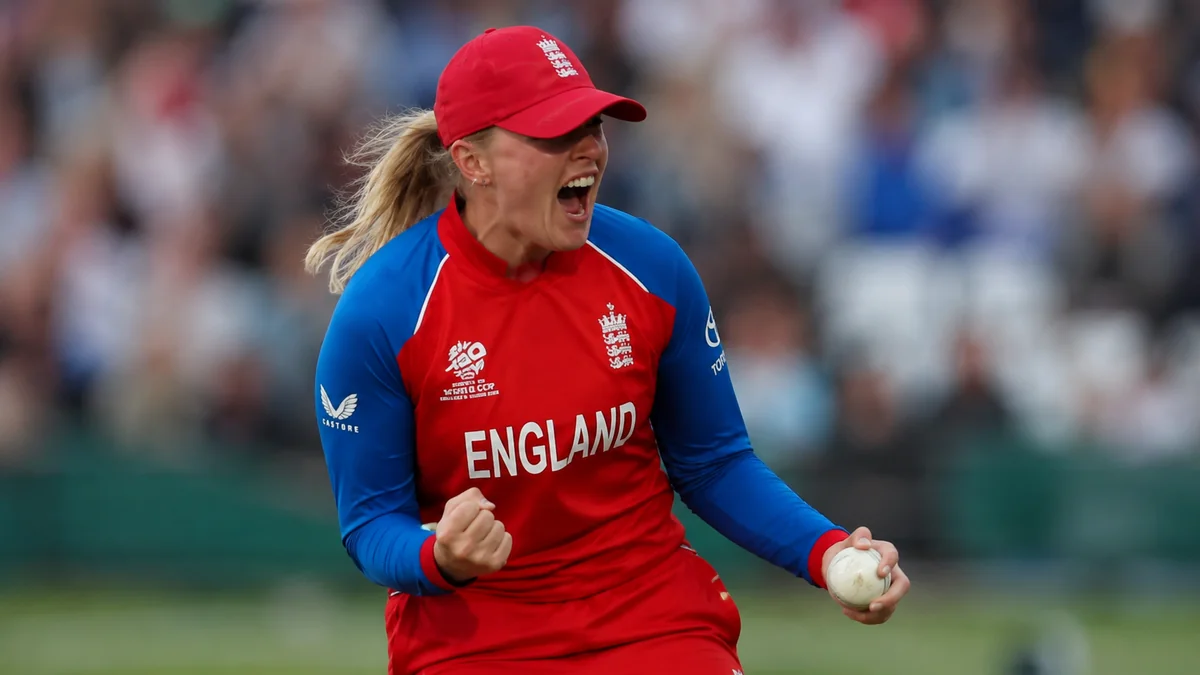
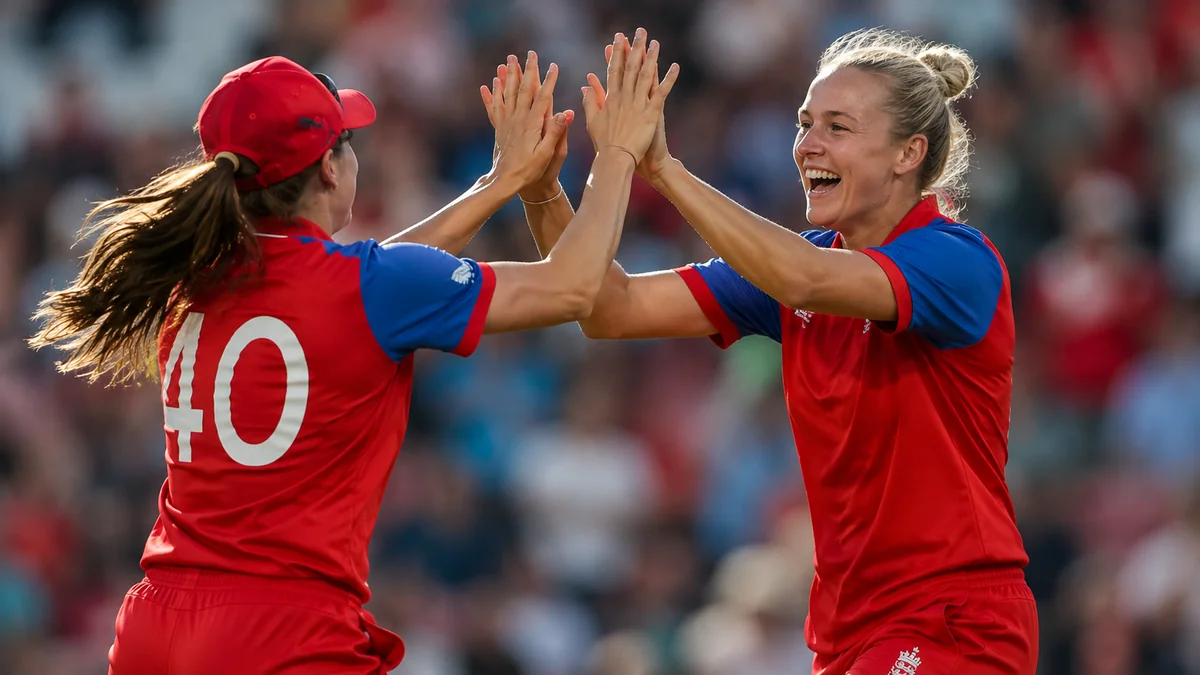
The turnaround was on full display in Thursday's semi-final win over South Africa at The Oval. Two sharp catches from Sophie Ecclestone and a pinpoint throw to run out Danni Wyatt-Hodge told the story of a side that has genuinely reinvented itself in the field. The dropped-catch horrors of Melbourne — and the six chances spilled while crashing out of the previous T20 World Cup against West Indies — feel like they belong to a different team entirely.
The disco jacket that changed everything
The unlikely secret? A sparkly disco jacket that belongs to the wife of England's fielding coach. The man behind the revival is long-serving coach Nick Wilton — the former Sussex wicketkeeper now affectionately known around the camp as "DJ Wilton" — and his fielding "disco nights" have become one of the defining images of England's tournament.
Music blaring, jacket on, Wilton has his players sprinting around and pouching high catches under the lights. It is practice, but practice designed to be fun, and it has dragged the squad a long way from those grim evenings in Melbourne and Dubai.
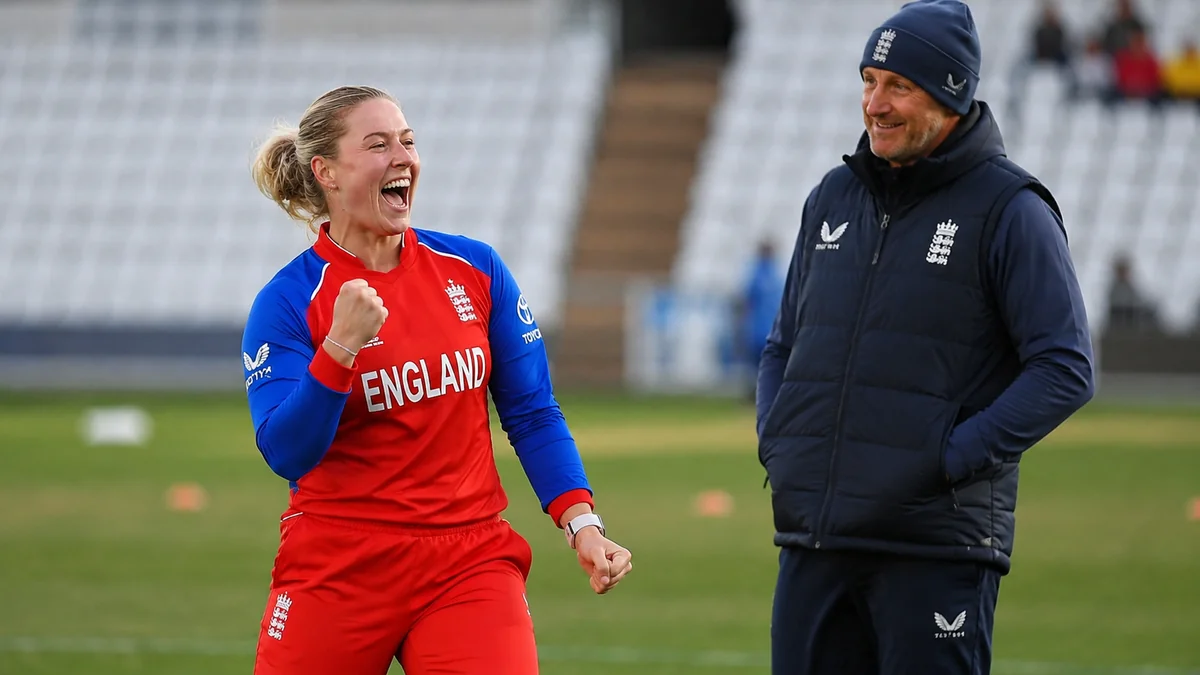
"We do pieces of fielding to each song and he pumps the music up to try and get us all hyped up. I love the way he gets us really passionate about fielding, so it is fun every time."
— Charlie Dean, England vice-captain
There is, of course, more to it than a coach dressing like an ABBA tribute act. Beyond Ecclestone's semi-final grabs — a leap at mid-on and a nervy take as the ball dropped over her shoulder at short fine leg — and Wyatt-Hodge's run-out, Dean produced a direct-hit dismissal against New Zealand, while Wyatt-Hodge held a superb catch in the tournament opener against Sri Lanka.
A new coach, new standards
Fitness and fielding were two of the priorities Charlotte Edwards set out when she took charge in the wake of the Ashes defeat. The former captain — who sprinted onto the outfield to celebrate with her players during the timeout after Ecclestone's first catch — has been calm but firm in refusing to let the old narrative linger.
Edwards is nothing if not hands-on. In a previous role at Southern Vipers she famously used an electric scooter to shadow her players through fitness work, and one of her first acts as England coach was to introduce minimum fitness standards.
The new benchmarks
- A two-kilometre time trial.
- 30m two-way sprints — essentially shuttle runs.
- A squat-and-vertical-leap test to measure explosive power.
- A separate assessment of a player's top-end speed.
Clips of those gruelling sessions went out on England's social channels at the start of the season — the boat-party videos of old are firmly a thing of the past.
Free rein and fine details
Crucially, Wilton was handed the freedom to overhaul England's fielding on his own terms. With no international fixtures over the winter, he had rare, uninterrupted time with the players across training camps in Oman, Stellenbosch and Pretoria, followed by early-season gatherings at Millfield and Repton schools and at the national cricket centre in Loughborough.
"Progress happens with dedication over time and putting the work in. All our careers we put in the work, but especially the last year."
— Charlie Dean
With the squad fully bought in, the attention to detail has sharpened. Dani Gibson, Freya Kemp and Linsey Smith — the trio who often share boundary-riding duties — drill their high catches and their sprints to chase down and return the ball. Gibson, one of the quickest across the ground, has repeatedly cut off second runs with her speed, never more tellingly than in the early exchanges against South Africa. Bowler Lauren Bell, meanwhile, spends training hurling herself into flying one-handed attempts of the kind her short fine-leg station demands.
"Being that extra bit more detailed in what we are trying to do has put us in great stead," Dean added.
One match left — and the sternest test of all
Now only Sunday's final against Australia stands in the way, and there could be no more fitting opponent against whom to prove how far this fielding unit has come.
"Lottie coming in after the Ashes when we were pretty poor, it is obviously something we wanted to work on as a team, and we've had commitment from everyone to do that. The plan from Lottie in how we do that has been executed by Nick, who encourages us to push ourselves as far as we can in the field and not put a ceiling on anything we do."
— Nat Sciver-Brunt, England captain
The hard yards — and yes, the jacket — have carried England this far. The only question left is whether it can all hold together under the fiercest pressure the game has to offer.