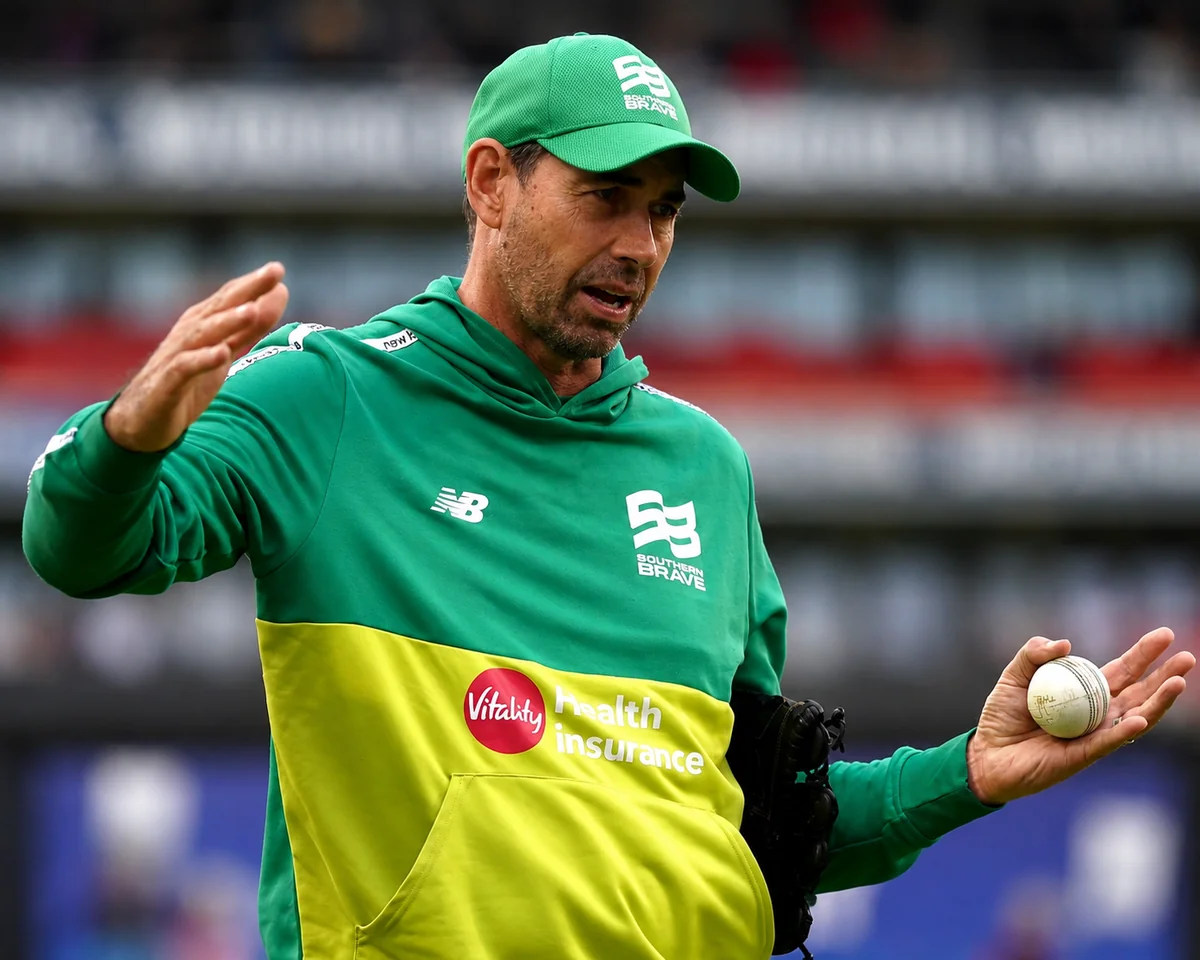
England have appointed Stephen Fleming as Test head coach, and the shorthand on him is already fixed: calm, unflappable, the man who never raises his voice. That description is accurate and slightly misleading. The reason teams keep hiring Fleming is not that he stays calm — it is what he does with the calm.
Key takeaways
- Fleming takes over England's Test side from Marcus Trescothick, who had been in interim charge.
- He captained Nottinghamshire to the 2005 County Championship — sealed by a declaration gamble few captains would risk.
- At Chennai Super Kings he reached 10 IPL finals and won five titles.
- The pairing with returning captain Joe Root is the appointment's real bet.
- The main criticism — voiced by Hemang Badani — is that the CSK trophies belonged to MS Dhoni, not the coach.
The declaration that won a title
Two rounds of the 2005 County Championship remained. Nottinghamshire led, narrowly, and had to travel to both of their closest rivals. First came Kent. Notts piled up 397 for five on day one, rain erased most of day two, and by the close of day three Kent were five wickets down with a draw looking inevitable. Elsewhere, a Shane Warne-driven Hampshire — Notts' final opponents — were beating Glamorgan. The title was drifting.
Fleming called his senior players together on the fourth morning with a proposal that made several of them uncomfortable: offer Kent a target.
"If Kent didn't win the game against us, they were dead, they'd have no way to win the title, so he recognised that he had them over a barrel a little bit. To take a calculated gamble in that game was a stroke of genius."
— Darren Bicknell, Nottinghamshire teammate
The number was 420 in 70 overs — improbable, but the only route Kent had left, which is precisely why they took it. Kent declared. Notts scored at seven an over until the agreed total arrived, then declared too. Kent, with no option but to attack, were bowled out for 205. Nottinghamshire won the Championship with a match to spare.
There is a footnote that has aged remarkably well. Kent's first wicket to fall in that doomed chase was Rob Key — the man who, two decades on, has just given Fleming the England job.
Calm is a method, not a temperament
Bicknell's description of playing under Fleming is the one that recurs across every dressing room he has been in: unruffled in the hottest moments, patient when results were not arriving, trusted by everyone to be across the detail. The message in bad periods was consistent — stay patient, keep doing the right things, it will come.
That is not nothing for an England side that has spent recent years oscillating between exhilaration and collapse. But it undersells him. The 2005 declaration was not a calm decision; it was an aggressive one taken calmly, over the objections of senior players who preferred the safe draw. The steadiness is what allowed the risk to be sold.
The other Fleming: Cape Town, 2004
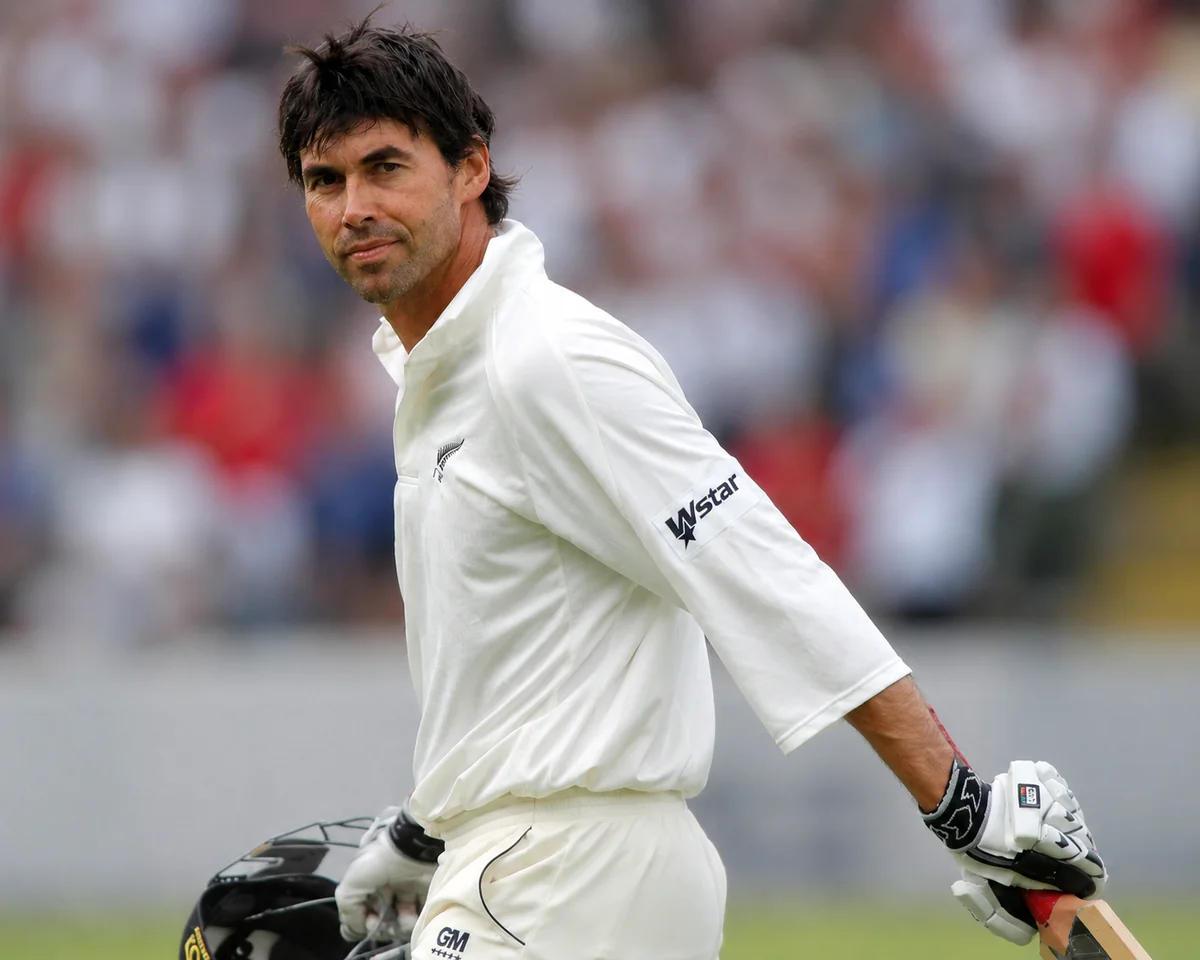
The gentle-man reputation also has a well-documented exception. In the fifth of six ODIs in South Africa in 2004, the hosts needed a win to keep the series alive and were chasing a rain-adjusted 178 in 29 overs — very gettable. As South Africa's captain Graeme Smith walked to the crease, Fleming met him with a torrent of abuse.
Days earlier Smith had noted, admiringly enough, that Fleming kept changing his plans against him and was probably trying to get inside his head. Forewarned made no difference. Smith fired back, lost his rhythm, and made 15 from 33 balls. New Zealand won by two runs.
"Graeme is an emotional guy. That was one chink we thought we might explore and he took the bait. It was never personal. I made it personal in one game to get the edge."
— Stephen Fleming, on the Smith incident
Read the two stories together and a clearer picture emerges than "calm coach." Fleming reads people, then decides what that person needs — empowerment, clarity, or provocation. Former Notts teammate David Alleyne calls him "an outstanding leader of men," describing a coach who found the right moment and the right setting to make a player think about his own game in a way that served the side. The same skill, pointed at an opponent, is a weapon.
The case against: whose trophies were they?
Fleming's CV at Chennai Super Kings is extraordinary — 10 IPL finals, five titles — and it is also the part of his record most often disputed. Hemang Badani, now head coach at Delhi Capitals and Southern Brave, put the objection bluntly in 2024: the winner at CSK was MS Dhoni, not the coach, and Fleming has never won anything outside the IPL.
It is a fair challenge to raise, and an awkward one to settle, because the counter-evidence is the 2005 Championship — won as a captain, not a coach — and a body of testimony from players rather than a trophy cabinet outside India.
The record in short
- 2005 — captains Nottinghamshire to the County Championship.
- Chennai Super Kings — 10 IPL finals, 5 titles as head coach.
- Southern Brave — head coach in the Hundred.
- New Zealand — long-serving captain, rated by opponents as the best of his era.
- England — takes the Test job from interim coach Marcus Trescothick.
Chris Jordan, who played under him at both CSK and Southern Brave, pushes back on the Badani line and offers the most useful specific: Fleming worked out early that the Hundred is inherently chaotic, and built his messaging around finding simplicity inside that chaos. Relaxed on the surface, forensic underneath, and unusually good at giving players role clarity — knowing exactly what your job is.
The real appointment: Fleming and Root
The part of this that will decide whether it works is not Fleming's temperament but his relationship with Joe Root, back as England captain. Jordan is one of very few people to have played under Fleming and alongside Root, and he thinks the combination could lift Root's captaincy to a level he has not reached before.
That claim is worth taking seriously, because it matches what Fleming has done everywhere else. He was the best captain of his generation, then spent a coaching career amplifying other captains — most famously Dhoni. A coach whose defining skill is making the man with the armband sharper is close to an ideal fit for a returning Root.
The bottom line
England have not hired a soothing presence. They have hired a calculating one who happens to be calm — a coach who talked a nervous dressing room into gambling a title and won it, and who once picked a fight on purpose because it was worth two runs. Whether the Test trophies follow is unproven outside the IPL. Whether he makes Joe Root a better captain is the question that actually matters, and it is the one thing his entire career suggests he is built for.