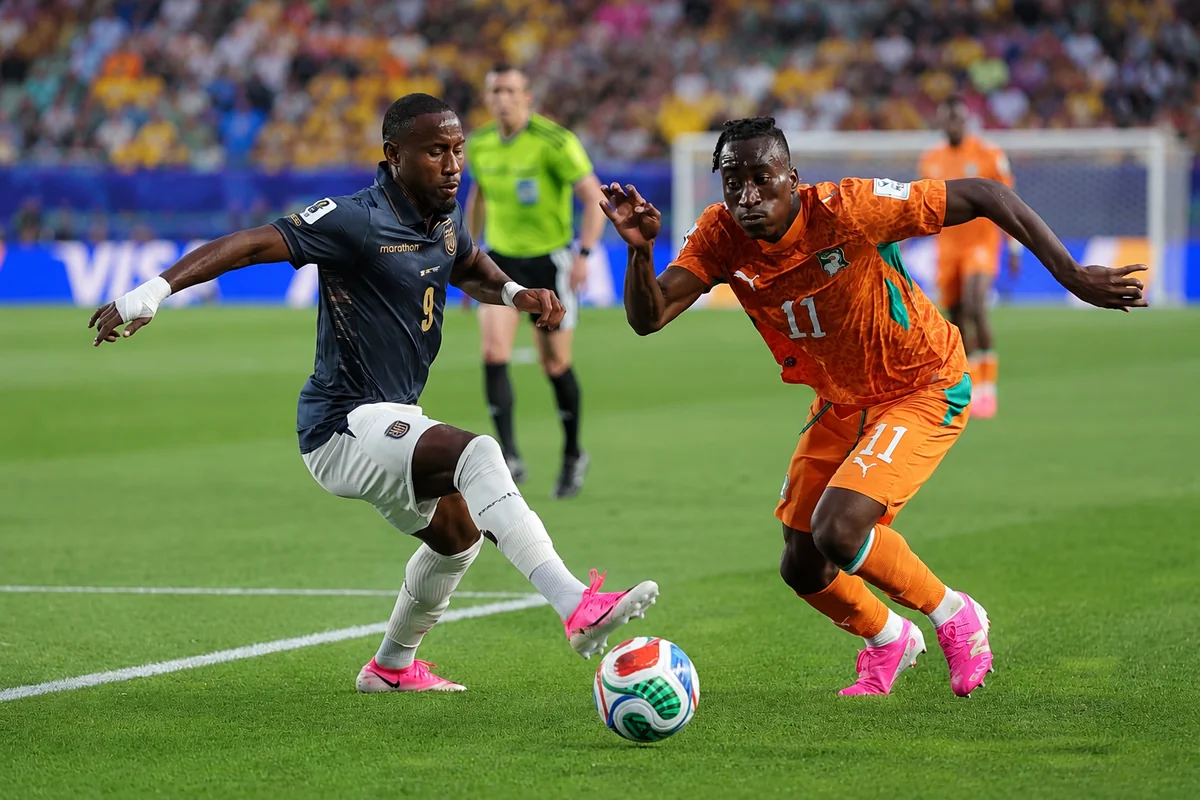
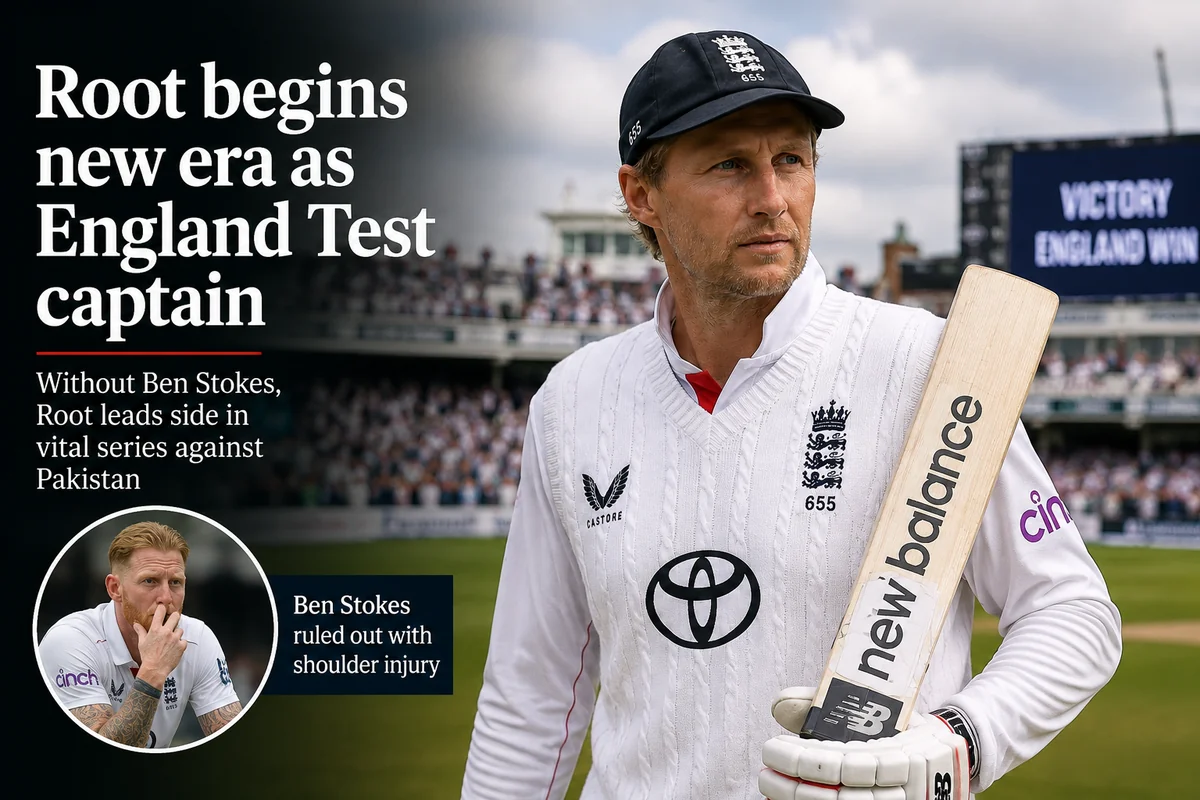
When this World Cup's winning captain finally lifts the trophy at MetLife Stadium on July 19, the tournament's top marksman will collect the Golden Boot. On current evidence, though, that award might as well be renamed the Golden Pink Boot.
Key takeaways
- Bright pink boots have swept nearly every squad at the World Cup, from Mbappé and Haaland to smaller nations.
- Adidas, Nike, Puma, New Balance and Skechers all launched pink-based lines at the same moment — for visibility and brand cut-through.
- Trend forecaster WGSN predicted "Electric Fuchsia" as a defining colour of 2026 back in May 2024.
- The exceptions stood out most: Messi's blue-and-white cleats and Pulisic's signature Pumas broke the pink wave.
Across the United States, Canada and Mexico, the opening round of matches has quietly turned into a festival of fuchsia. Shade after shade of vivid pink has lit up the cleats of players from nearly every squad — so much so that the brightest footwear at the tournament is now, ironically, anything that isn't pink.
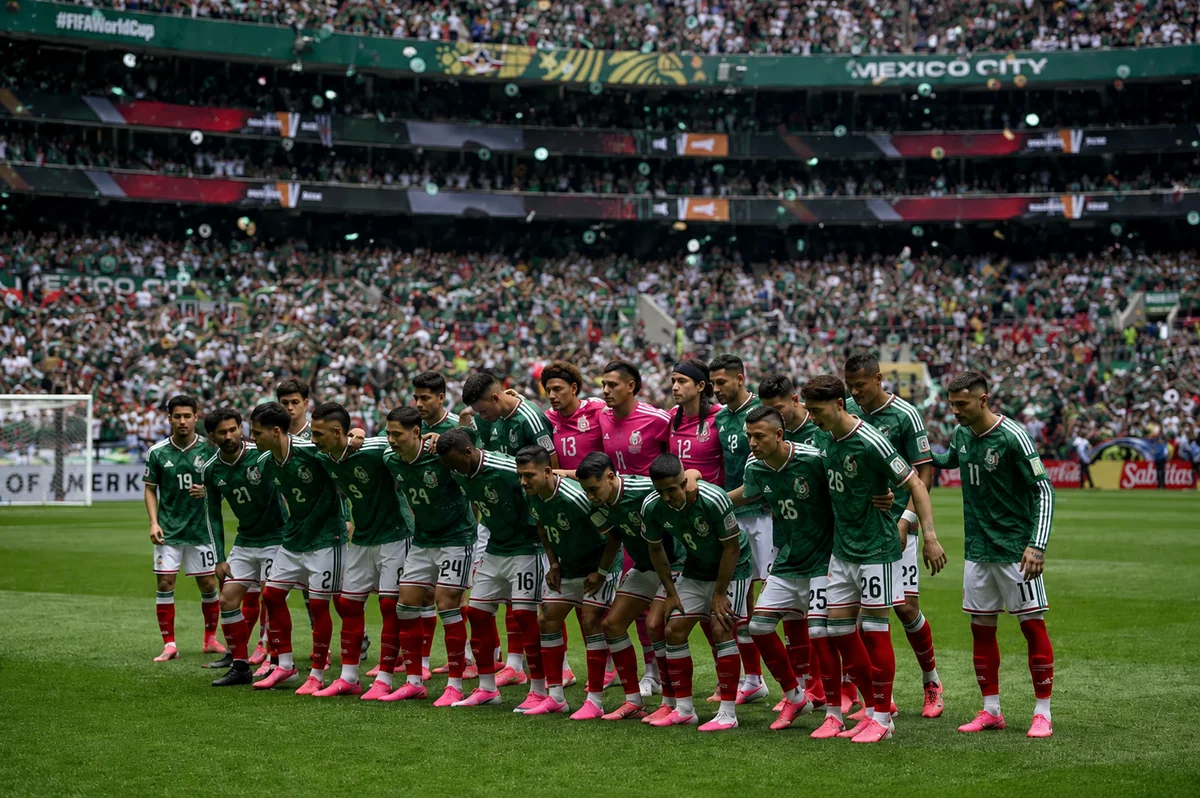
The mood was set the moment the tournament kicked off. In the opening fixture between Mexico and South Africa, all but three of the 22 starting players walked onto the Estadio Azteca turf in some shade of pink. The trend has only snowballed since — carried as much by superstars like Kylian Mbappé and Erling Haaland as by smaller nations such as Cape Verde and Curaçao, whose squads have leaned into the very same palette.
Booting up a brand
For anyone paying attention to the football apparel world, none of this came as a surprise. In the months before a single ball was kicked, Adidas, Nike, Puma, New Balance and Skechers — the latter only launching its first boot range in 2023, with England's Harry Kane as its face — all rolled out fresh lines built around the same colour.
The marketing names differed, from Adidas' "Solar Turbo" to Puma's "Poison Pink," yet the resemblance was unmistakable. So why did so many rival manufacturers reach for pink at exactly the same moment? Part of the answer is simple visibility, according to New Balance's head of product for football, Rob Sheldon — not only so players can pick each other out in the chaos of a match, but so brands can pull millions of watching eyes toward their logo.
There is a second force at work, too: today's players are personal brands in their own right. New Balance alone has five ambassadors at the tournament — Eberechi Eze, Bukayo Saka, Endrick, Timothy Weah and Yan Diomande — who command a combined 32 million Instagram followers. In that climate, self-expression has become as much a design brief as performance.
"What you're seeing at this World Cup is the convergence of two trends. Athletes are demanding the most advanced performance footwear available, and increasingly wanting products that reflect their individuality."
— Rob Sheldon, New Balance head of product for football
Nike echoes that reading. Its football footwear product director, Odinga Nimako, says demand for louder colours has surged among players and shoppers alike. "We focused on the brightest colours — the ones that really amplify confidence — and pink is one of those," he explained. "When you wear something that loud, it's like you need to be really good to pull it off. But pink has also reached a level of acceptance that makes it feel broad rather than niche."
Even so, Sheldon insists the spectacle never overrides the substance. "No player steps onto a World Cup pitch because of a paint colour," he said. "They step on because the boot helps them perform at the highest level. The colour is just the most visible part of a much deeper product story."
Predicting pink
Dig a little deeper and another explanation emerges — one written down long before the tournament began. Back in May 2024, the consumer trend forecaster WGSN named five colours it expected to define 2026. Sitting second on that list, just behind "Transformative Teal," was a hue it described as somewhere between pink and purple: Electric Fuchsia.
WGSN had bet on a wider cultural appetite for "optimism, visibility and self-expression" — and football's biggest stage has proved it right. According to the company, bright pink now makes up 48.2% of all pink boots and has grown its share of the total football-shoe colour mix by 1.1%.
Is it really that several manufacturers are all drawing from the same well of ideas? Quite possibly, says veteran footwear designer Christian Tresser, who has held senior design roles across Nike, Adidas and Reebok. "This is what happens when marketing and trend analysis are seeing and using the same sources," he noted.
Whatever the cause, the outcome carries a twist. With so many players in pink, the most eye-catching boots in the tournament are the ones that broke the pattern. Lionel Messi surged into an early Golden Boot lead — since overtaken — after a hat-trick against Algeria in his custom "El Último Tango" Adidas cleats, finished in Argentina's light blue and white. USMNT captain Christian Pulisic struck a similar note with his star-flecked Puma signature shoes against Paraguay.
For almost everyone else at this World Cup, though, the pitch has become a place for pink.